Password to the Afterlife: The Fight Over Your Digital Remains

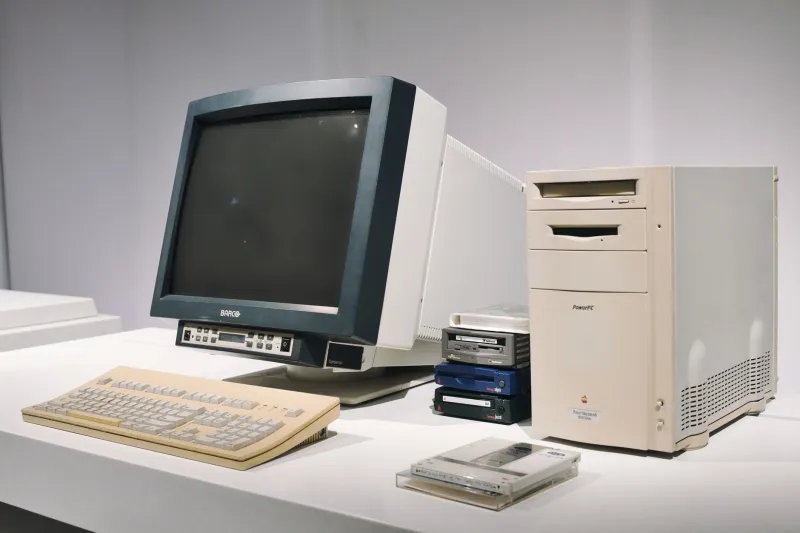
Photo: Vinci2005, CC BY-SA 4.0, via Wikimedia Commons
In 2026, the average American adult has more digital accounts than close friends. That is not a scientific finding. It is a vibe. But it points to a real problem: when you die, your online self does not automatically go with you. It gets memorialized, locked, deleted, or, increasingly, turned into a product. The question is no longer whether we will leave digital ghosts. It is who gets to own them.
The Afterlife Is a Product Now
There is a growing business in digital afterlives. Legacy planning services promise to organize your accounts and deliver posthumous messages. AI companies offer to train a chatbot on your texts, voice notes, and emails so loved ones can keep talking to a version of you. Social platforms have memorialization settings. Cloud storage services have legacy contacts. The pitch is comfort. The business model is subscription.
Some of this is genuinely useful. A clear inventory of accounts can save a grieving family weeks of paperwork. A scheduled message can be a gift. But the same tools can turn grief into a user interface. A chatbot trained on a dead parent is not the parent. It is a language model with a family photo. The line between memorial and merchandise is not always clear.
The Law Is a Patchwork
US law does not offer a single national answer. Most states have adopted some version of the Uniform Fiduciary Access to Digital Assets Act, which gives executors and agents limited authority over digital accounts. But the details vary, and platform terms of service often sit on top of state law. A will can name an executor. It cannot necessarily override a company's policy about passwords, encryption, or account deletion.
That leaves families in a gray zone. An executor may have the legal right to manage an estate but not the practical ability to open a phone locked with a passcode. A parent may want their photos preserved but their social profile deleted. A spouse may discover that the deceased's email account is governed by a terms-of-service agreement nobody read. The law is catching up, slowly, state by state and case by case.
Your Password Manager Is a Will for the Internet
This is where I think the conversation should start. Your password manager is not just a security tool. It is a map of your digital life. Most major managers now offer emergency access or legacy contact features. Use them. Write down which accounts matter and what should happen to each. Store the instructions somewhere a trusted person can find them. Do not put the master password in the same document as the instructions.
Apple and Google both offer legacy contact settings for account data. Social platforms have memorialization request forms. Banks and brokerages have their own processes. The point is not to create a perfect plan. The point is to leave fewer decisions to a grieving person who is already tired.
The Ghost Problem
AI griefbots raise a harder question. If a company can generate a convincing version of a dead person, who consents? The deceased cannot. The family may disagree. The model may hallucinate. And the data used to build it may include private messages the person never intended to share. Digital preservation and digital exploitation can look the same from the outside.
Platforms are not archives. They are businesses. They can change policies, delete inactive accounts, or shut down entirely. A memorial page is only as permanent as the company hosting it. That is why the most important digital inheritance tool may be a boring one: a local backup and a written plan.
What to Do Before You Are a Ghost
Start with an inventory. List the accounts that hold money, photos, messages, and identity. Name a legacy contact where the platform allows it. Tell one person where the plan lives. Decide what you want memorialized, deleted, or preserved. Put it in writing. Review it when your life changes.
None of this is glamorous. It is administrative work for a future you will not see. But the alternative is a messy afterlife run by terms of service and customer support queues. Your ghost does not need a chatbot. It needs an executor with a clear list and a password manager that knows what to do. The fight over digital remains is not really about death. It is about who gets to decide what a person leaves behind.