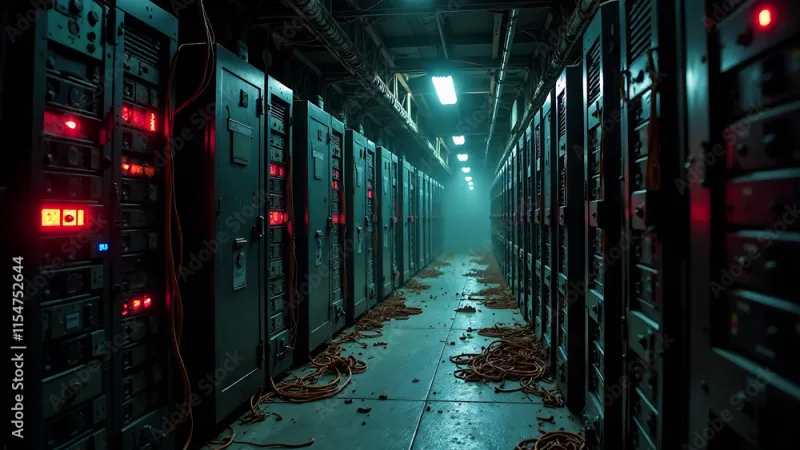
Crowded and Empty: How Social Platforms Sold Us Connection and Delivered Static
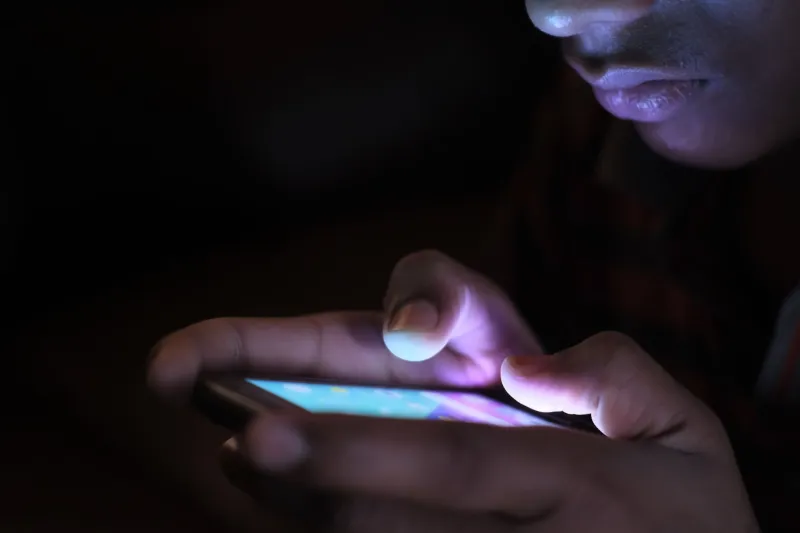
Open your phone right now. Chances are you have notifications waiting — a like, a reply, maybe someone shared something you posted two weeks ago. On paper, that's contact. That's connection. That's the whole pitch.
So why does it feel like talking into a room with no one in it?
This isn't a new complaint, but it's one that keeps getting louder, and the platforms keep getting bigger, and the math just refuses to work out. More users, more features, more ways to react and respond and follow and be followed — and yet survey after survey in the US keeps surfacing the same result: people feel lonelier than they did before any of this existed. Something is structurally broken, and it's not an accident.
The Metric Isn't What You Think It Is
When a platform measures "connection," it isn't measuring whether you felt understood by another human being. It's measuring whether you tapped a screen. A like is a data point. A comment is a data point. Even a 45-minute scroll session where you didn't interact with a single thing is a data point — one that tells an advertiser you were present and receptive.
None of those metrics have anything to do with intimacy. But they've been dressed up in the language of intimacy so thoroughly that most of us have stopped noticing the substitution. We say we're "staying connected" with someone when what we mean is we watched their Stories without responding. We say we "keep up" with a friend when what we mean is we've seen their highlight reel from a distance for three years without having a real conversation.
The platform doesn't care about the difference. In fact, the gap between those two things is where a lot of its value lives.
Algorithmic Bubbles Aren't Just Political
Everyone's heard the filter bubble argument in the context of news and politics — you only see content that confirms what you already believe, which makes the world look smaller and more extreme than it is. That's real. But the same dynamic operates on a social level, and it's less discussed.
Your feed isn't just showing you ideas you already agree with. It's showing you people who already perform the way you perform. Accounts that match your aesthetic, your humor register, your level of irony. The algorithm optimizes for engagement, and engagement is highest when you feel recognized — which means it keeps narrowing the field until your entire digital social world is a hall of mirrors.
You're not meeting people. You're meeting reflections. And reflections can't actually see you back.
The Performance Tax
There's a cost to existing on these platforms that doesn't get talked about enough: the constant low-grade labor of managing how you appear. Every post is a small act of self-curation. Every caption is a decision. Even choosing not to post something is a choice shaped by an awareness of audience.
Over time, this adds up to something exhausting and quietly alienating. You stop sharing things because they're meaningful and start filtering them through a mental model of how they'll land. The authentic impulse — I want to tell someone about this — gets rerouted through a production process. By the time it reaches anyone, it's been sanded down, lit correctly, and stripped of whatever made it feel urgent in the first place.
And then it gets twelve likes, and you feel nothing, and you do it again tomorrow.
The platforms didn't invent self-consciousness. But they industrialized it. They gave it a scoreboard.
Why 'More' Keeps Making It Worse
Here's the part that feels almost designed: every solution the platforms offer to the loneliness problem is just more of what caused it. Feel unseen? Post more. Want deeper engagement? Go Live. Want community? Join a group, start a channel, build an audience.
All of these are invitations to produce more content, generate more data, spend more time inside the system. None of them involve slowing down, being vulnerable with one specific person, or accepting the kind of awkward, unoptimized contact that actual closeness requires.
Real connection is inefficient. It's repetitive, it's boring sometimes, it involves saying things that don't land well and staying anyway. Platforms can't monetize that. So they don't offer it. Instead they offer scale — reach more people, be seen by more eyes — as if loneliness were a distribution problem.
It isn't. You can have a hundred thousand followers and feel completely invisible.
The Void at the Center of the Feed
What's strange is that most people who use these platforms know something is off. There's a specific feeling — call it the post-scroll drop — where you've spent twenty minutes absorbing content and come out the other side feeling vaguely worse than before. Not because anything bad happened. Just because nothing real happened.
That feeling is information. It's the gap between what the platform promised and what it delivered. Connection was the pitch. Stimulation was the product.
The tragedy isn't that social media is evil. It's that it took something genuinely human — the need to be known by other people — and built an enormous, technically impressive infrastructure around a hollow simulation of it. And then it made the simulation just satisfying enough to keep you from going looking for the real thing.
Finding Signal in the Noise
None of this means the internet is incapable of producing genuine closeness. It clearly can. People find their people online all the time — in small forums, in niche Discord servers, in comment threads that somehow turn into actual friendships. But those moments tend to happen despite the algorithmic architecture, not because of it. They happen in corners the platform hasn't fully optimized yet.
The difference seems to be scale and intentionality. The places where real connection happens online are usually small, specific, and a little weird. They're not trying to be everything to everyone. They're not chasing growth. They're just a handful of people who showed up for the same obscure reason and stayed long enough to actually see each other.
That's not a product. That's just people. And no platform has figured out how to bottle it — which might be the only reason it still works.