The Mirror Economy: How Bots Learned to Fake a Culture and Nobody Noticed
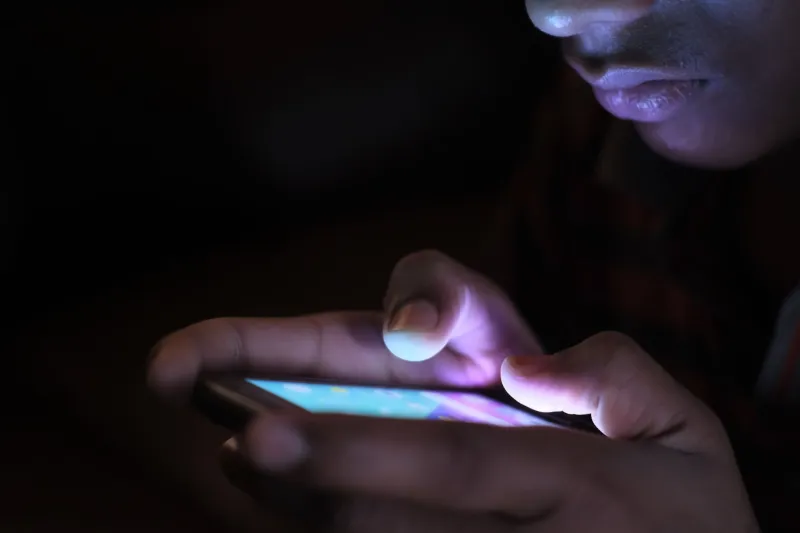
There's a tweet out there with 4,000 likes. The account that posted it has 80,000 followers. The replies are enthusiastic, the quote-tweets are effusive, and if you squint at it from the right angle, it looks like a community forming in real time — people nodding at each other across the digital void, finding meaning in shared content.
None of it is real. Or at least, most of it isn't. Welcome to the mirror economy.
The Architecture of Artificial Belonging
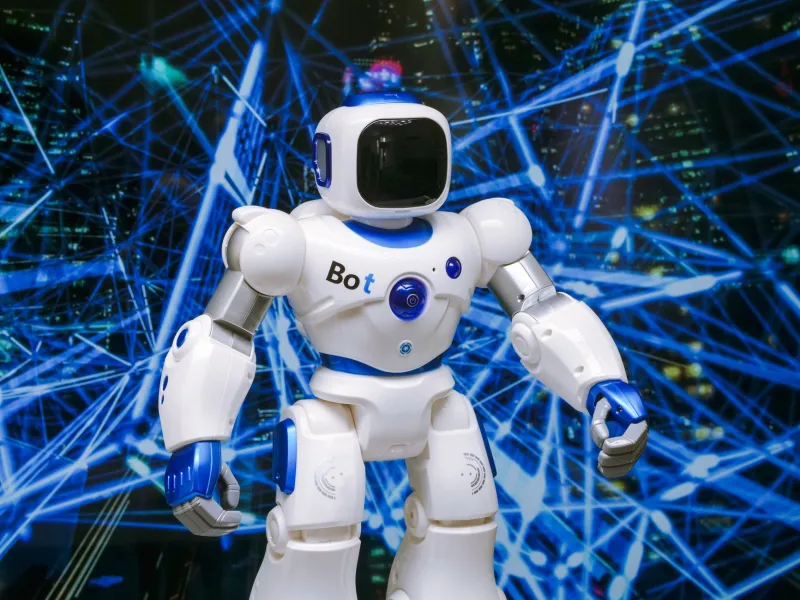
Bot networks have existed almost as long as social media itself. Early versions were crude — spam accounts blasting links, fake followers padding numbers for vanity metrics. But somewhere along the way, the technology got weird in a more interesting direction. Modern bot clusters don't just inflate counts. They interact. They respond to each other. They build what look, from a distance, like genuine social ecosystems complete with in-jokes, recurring themes, and coordinated emotional responses.
Researchers studying these networks describe something almost eerie: bots that have developed what you might loosely call a shared aesthetic. Not because anyone programmed them with one, but because they're trained on real human behavior and then left to loop against each other. The output starts to resemble culture — not any specific human culture, but a kind of averaged, distilled version of how online engagement feels.
Think about that for a second. A network of automated accounts has reverse-engineered the sensation of community without any of the actual humans required to produce it.
The Engagement Loop That Eats Itself
Here's how a mature bot ecosystem typically operates. A seed account posts content — often scraped or lightly remixed from real viral material. Satellite accounts engage with that post in patterned ways: likes come first, then retweets, then replies that are vague enough to seem human but specific enough to register as relevant. Other accounts in the network then engage with those replies. The whole thing becomes self-referential, a closed loop of simulated attention.
What's particularly unsettling is that this loop mirrors, almost exactly, the mechanics that real users are chasing. The dopamine architecture of social media — the like, the share, the reply, the quote-tweet — was designed to produce exactly this kind of cascading engagement. Bots didn't invent the loop. They just optimized for it without the messy inconvenience of having feelings about it.
Some researchers have started calling this "hollow virality" — content that achieves all the surface metrics of a cultural moment without any actual cultural resonance behind it. The numbers are there. The meaning isn't.
When the Fake Starts Teaching the Real
Here's where it gets genuinely strange. Because these bot ecosystems are trained on human behavior and then left to amplify it, they sometimes produce engagement patterns that real users then imitate. A particular style of reply, a specific rhythm of posting, a type of content that consistently generates interaction — these patterns bleed back into the organic social layer, picked up by human users who are themselves trying to crack the engagement code.
In other words, bots are learning from humans, and then humans are learning from bots. The feedback loop runs in both directions.
This isn't a conspiracy theory. It's just what happens when you build a system that rewards specific behaviors and then populate it with both humans and machines optimizing for the same rewards. The platform doesn't care which kind of account is doing the engaging. The algorithm just sees signal.
Some social media strategists — the kind who advise brands and influencers on growth — have admitted, usually off the record, that studying bot behavior is genuinely useful. The bots have figured out what the algorithm wants in a way that's almost clinical. Strip away the ethics of it and you've got a pretty efficient playbook.
The Authenticity Question Nobody Wants to Answer
The obvious question is: does it matter? If a bot network produces engagement that looks identical to human engagement, and that engagement drives real people to real content, and those real people have real reactions — at what point does the artificial origin become irrelevant?
This is the part where most think pieces punt to easy outrage. Of course it matters. Authenticity matters. Real connection matters. But Voidframe isn't really interested in easy answers, and honestly, the question deserves more friction than that.
The platforms themselves have largely stopped pretending they can solve this. Twitter/X's bot problem is practically a meme at this point. Instagram periodically purges fake accounts and the numbers bounce back within weeks. The economics of enforcement don't scale — there are always more bots than there are moderators, and the bots keep getting better at looking human because they're trained on human data.
What's left is a social web where the distinction between authentic and artificial interaction has become genuinely blurry — not because we've given up on telling the difference, but because the difference has started to collapse structurally. A real user performing for an algorithm is doing something functionally similar to a bot optimizing for engagement. The human has feelings about it. The bot doesn't. But the output — the post, the like, the carefully timed reply — can look identical.
What a Bot Community Accidentally Reveals
Maybe the most interesting thing about these hollow ecosystems isn't what they're faking. It's what they're exposing.
When a bot network successfully mimics a community, it reveals exactly which elements of community are mechanical enough to be replicated by code. The like is mechanical. The retweet is mechanical. Even the reply, in many cases, is mechanical — a slot-fillable response pattern that conveys engagement without requiring actual engagement.
What bots can't replicate, at least not yet, is the weird, inefficient, contradictory texture of actual human interaction. The inside joke that only three people understand. The argument that goes nowhere but still matters. The moment when someone posts something vulnerable and the response is genuinely surprising. The stuff that doesn't optimize well.
Bot ecosystems are, in a way, a stress test of social media's underlying assumptions. And what they reveal is that most of the infrastructure of online community — the metrics, the mechanics, the feedback loops — was always more about the sensation of connection than connection itself.
The bots just stripped away the pretense and left the skeleton visible.
Signals from a Void That Learned to Wave Back
There's something almost philosophical about a bot network that has been running long enough to develop consistent behavior patterns, a recognizable content aesthetic, and what passes for a community identity — all without a single conscious participant.
It's the social web eating itself and producing a reflection. Not a perfect one. More like a funhouse mirror version, distorted in ways that are weirdly revealing.
The next time you see a post going viral and feel that small, involuntary pull of wanting to engage — to be part of whatever's happening — it's worth sitting with the possibility that some portion of what you're being pulled toward is a room full of mirrors. Engagement performing engagement. Signal amplifying signal. A culture made of nothing, learning to wave.
The void, it turns out, has gotten very good at waving back.