Dead Weight: The Apps You Keep Just to Keep
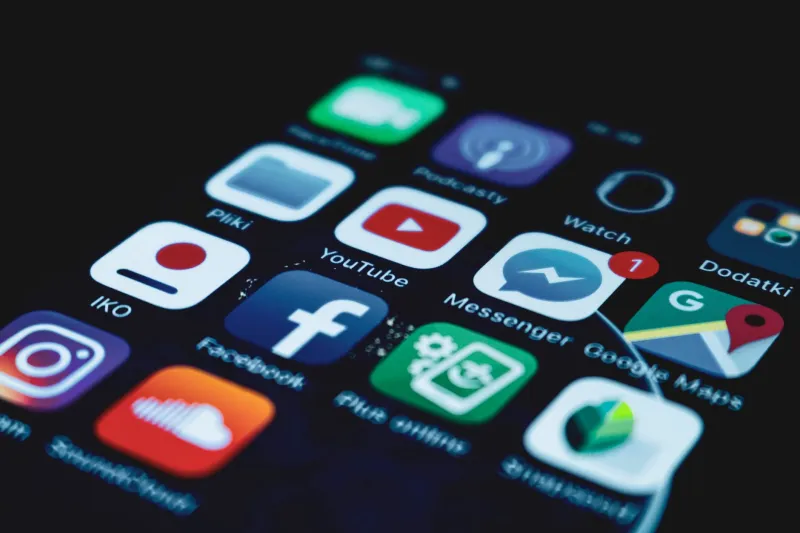
Open your phone right now. Not to check anything — just scroll. Past the apps you use every day, past the ones you opened once, past the folder you made to hide the stuff you couldn't justify deleting. At some point, you'll hit something that makes you pause. A meditation app from a New Year's resolution. A food delivery service from a city you no longer live in. A streaming platform you subscribed to for one specific show that ended fourteen months ago.
You haven't opened it. You're not going to open it. And yet — it stays.
This isn't a personal failure. It's a designed outcome.
The Architecture of Abandonment
There's a term researchers use: digital inertia. It's the tendency to keep digital services, accounts, and subscriptions running well past the point of any real engagement, not because we value them but because doing nothing is always easier than doing something. Canceling requires steps. Steps require attention. Attention is the one thing every platform on earth is already competing for.
So the app just sits there. The subscription quietly renews. The notification badge ticks up to some number you stopped reading weeks ago.
Platforms understand this dynamic better than most users do. Cancellation flows are deliberately laborious — buried in settings menus, guarded by multiple confirmation screens, sometimes requiring a phone call to a customer service line that's only open on weekdays between 9 and 5. The friction isn't accidental. It's a retention strategy with a user experience budget behind it.
Some companies have gotten so aggressive about this that the FTC has started paying attention. The so-called "click to cancel" rule, which the agency has pushed to formalize, would require businesses to make cancellation as easy as sign-up. The fact that this needs to be legislated tells you everything about the current state of the relationship between users and the services they technically own.
What You're Actually Holding Onto
But friction alone doesn't explain the full picture. Because sometimes the barrier to canceling is genuinely low — one tap, confirmed — and people still don't do it. Which means something else is happening.
Part of it is identity. The apps on your phone are a kind of self-portrait, even when nobody else sees them. That fitness tracker you haven't synced in four months still represents the version of you that was going to be more consistent about fitness. The language learning app with the sad little notification owl — still there because deleting it feels like officially giving up on learning Portuguese. The subscription to that indie music platform you discovered in college, still running at $4.99 a month, because you're not ready to admit that chapter is closed.
Digital hoarding isn't really about apps. It's about the futures those apps were supposed to unlock.
There's also a more practical anxiety underneath it: the fear of needing something the moment you get rid of it. Anyone who has ever deleted a contact and then needed it, or cleared out an email archive and then searched for something in it, knows this feeling. The digital world has trained us to treat deletion as a permanent, unrecoverable act — even when it usually isn't. So we hedge. We keep everything, just in case.
Ghost Users and the Platforms That Love Them
Here's the part the platforms would rather not talk about. Those abandoned accounts, those lapsed users who technically never left? They're valuable. Not in the way active users are valuable, but in a quieter, more statistical way.
Monthly active user counts, subscriber numbers, total account figures — these are the metrics that get reported to investors, cited in press releases, used to justify valuations. A ghost account still counts as an account. A subscription that auto-renews and never gets used is still revenue. An app installed on a phone but never opened still shows up in install numbers.
The ecosystem of dead digital weight isn't a side effect of how these platforms operate. In a lot of cases, it's part of the business model.
Some services take this further by making reactivation feel urgent. That email you get after not logging in for 60 days — "We miss you, here's 20% off" — isn't genuine sentiment. It's a calculated nudge designed to either re-engage you or, failing that, remind you the account exists before you get around to canceling it. Either outcome works. Either outcome keeps the relationship technically alive.
The Notification That Meant Nothing
There's a specific kind of digital exhaustion that comes from managing a life's worth of services that you've accumulated over fifteen years of internet use. Email newsletters from brands you bought one thing from in 2018. Push notifications from apps that want to tell you something — anything — just to stay visible. Calendar reminders for free trials you forgot to cancel that are now billing you for something you don't remember signing up for.
The average American has something in the range of 80 apps installed on their phone. Studies suggest they regularly use somewhere between nine and ten. Everything else is ambient. Background noise. A notification graveyard that vibrates occasionally and means nothing.
And yet the cumulative weight of all that ambient noise is real. There's a low-grade cognitive load that comes from existing in a digital environment full of things that technically need your attention but practically never get it. It's not quite stress. It's more like static — a permanent background hum of unfinished business that you've learned to ignore but haven't actually resolved.
Letting Go Is Harder Than It Should Be
The honest advice here isn't complicated: audit your subscriptions, delete what you don't use, and cancel what you're not paying attention to. Services like Rocket Money or even just your bank's transaction history can surface the recurring charges you've forgotten about. Most people who do this find at least one subscription they had genuinely no memory of.
But advice is easy. Behavior is hard. The same psychological machinery that makes these apps sticky in the first place — the identity investment, the sunk cost thinking, the low-grade anxiety about deleting something you might need — doesn't dissolve just because someone on a website told you to clean up your app drawer.
What's worth sitting with is the bigger picture: the digital landscape most of us navigate every day is substantially populated by things that aren't really there anymore. Accounts that went quiet. Subscriptions that run on autopilot. Apps that represent intentions rather than habits. It's a strange kind of haunting — not by other people's ghosts, but by older versions of yourself that you never quite got around to closing out.
The void is full of stuff you meant to get back to. It's been waiting patiently. It will keep waiting. That's what it was built to do.